


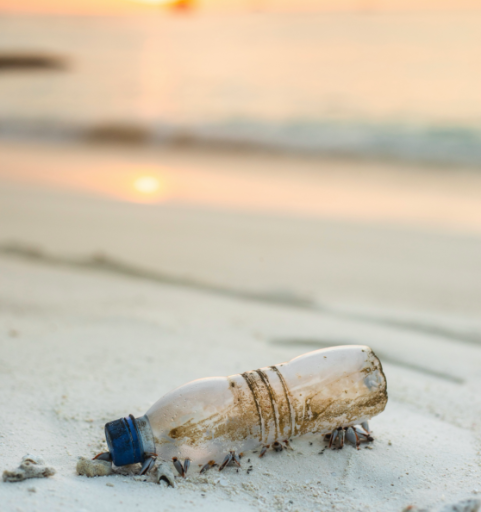
REDUCTION OF CONSUMPTION
Ambitious and steady consumption reduction in:
- Beverage cups/glasses, together with their lids and covers
- Food containers
LIMITATIONS ON MARKET AVAILABILITY
Prohibition of placing on the market products made from oxo-degradable plastic as well as single-use plastic products, such as:
- Cotton swabs
- Cutlery, spoons, chopsticks
- Dishes
- Straws
- Drink stirrers
- Sticks that attach to and support balloons
- Expanded polystyrene food containers
- Beverage containers of expanded polystyrene, as well as their lids and covers
- Cups made of expanded polystyrene, as well as their lids and covers
REQUIREMENTS FOR PRODUCTS AVAILABLE ON THE MARKET
Dispose of products with lids and covers made of plastic only if the lids and covers remain attached to the containers during the product’s intended use stage.
Applies to beverage containers with a capacity of up to three litres, i.e. containers used for liquids such as, beverage bottles including their caps and lids, as well as composite beverage packaging including their lids and lids.
MARKING REQUIREMENTS
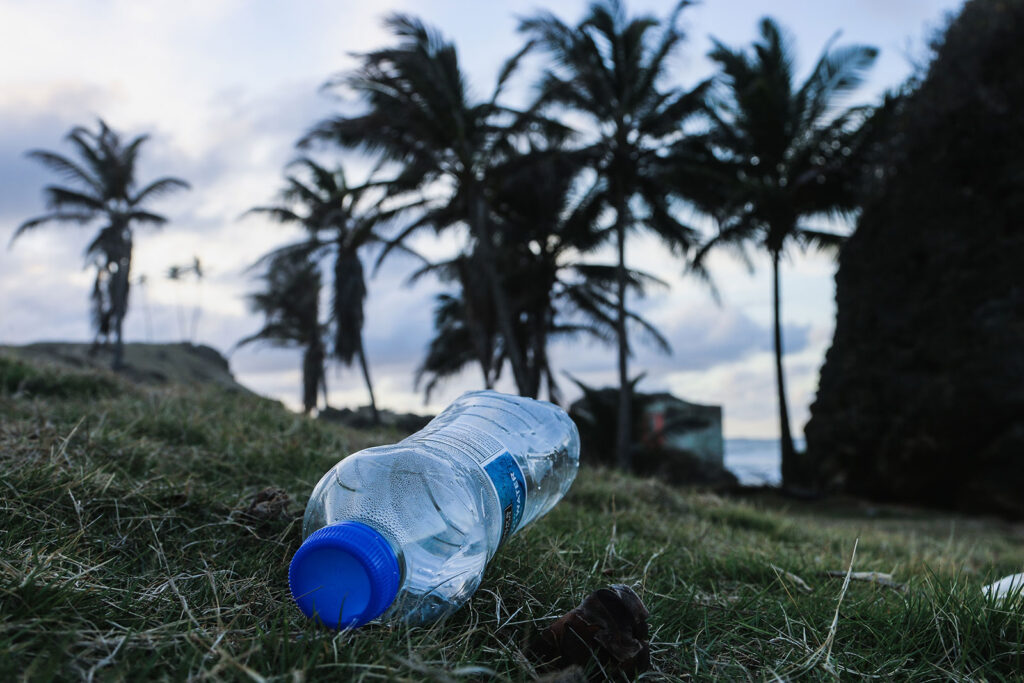
Visible, legible and indelible marking on the package or on the product itself, informing consumers of:
- The appropriate options for managing the product as waste or the methods of waste disposal that must be avoided for the specific product.
- The presence of plastic materials in the product and the subsequent negative environmental effects of its disposal in the environment or other inappropriate disposal in the environment (e.g. sanitary napkins, tampons, wet wipes, tobacco products with filters and filters, cups).
EXTENDED PRODUCER RESPONSIBILITY
Coverage by the producer, in accordance with the provisions on extended producer responsibility:
- The cost of awareness measures
- The costs of waste collection for products disposed of in public collection systems, including infrastructure and operation, as well as the subsequent transport and treatment of the waste
- The clean-up costs as a result of the environmental disposal of the products in question and their subsequent transport and treatment
- Food containers
- Packages and wrappers of flexible material containing food intended for immediate consumption from the package or wrapper without any further preparation
- Beverage containers
- Cups and their lids and covers
- Thin plastic carrier bags
Ensuring cost recovery for:
- Awareness measures
- Cleaning of waste derived from said products and their subsequent transport and treatment
Valid for:
- Wet wipes
- Balloons
Covering, on the part of the producers, the cost of collecting the waste of the products disposed of in public collection systems, including the infrastructure and its operation, and the subsequent transport and treatment of the waste. Costs may include the creation of special infrastructure to collect the waste of these products, such as suitable waste receptacles in places where such waste tends to accumulate.
SEPARATE COLLECTION
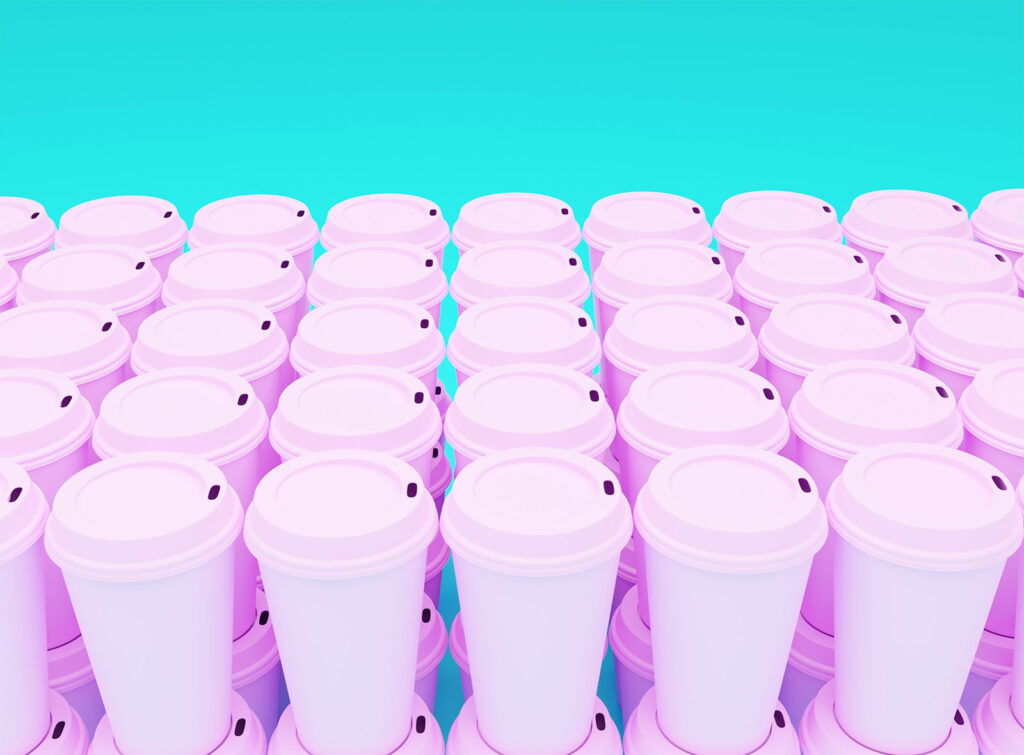
Ensure separate collection for recycling:
– by 2025, an amount of waste equal to 77% of these single-use plastic products placed on the market in a given year, by weight
– by 2029, an amount of waste equal to 90% of these single-use plastic products placed on the market in a given year, by weight
To achieve this goal, member states can, among other things:
a) establish deposit return systems
b) set separate collection targets for relevant extended producer responsibility schemes. (Applies to: beverage bottles with a capacity of up to three liters including their caps and lids).
Each Member State shall further ensure that:
a) from 2025, PET bottles contain at least 25 % recycled plastic
b) from 2030, PET bottles contain at least 30 % recycled plastic
SENSITIZATION MEASURES
Informing consumers and providing incentives for responsible consumer behavior such as:
– the availability of reusable alternative products, reuse systems and waste management options
– the environmental impact of dumping and other inappropriate waste disposal methods, especially for the marine environment
– the effects of improper disposal of waste in the sewer network.
Valid for:
-Food containers
– Packages and wrappers made of flexible material containing food intended for immediate consumption from the package or wrapper without any further preparation
-Beverage containers
– Cups with their lids and covers
– Tobacco products with filter and filters
-Wet wipes
-Balloons
-Thin plastic carry bags
– Sanitary napkins and tampons)
Source:
https://supfree.gr/evropaiki-odigia/